
Buying a mattress should feel like an upgrade, not a gamble. Yet the rise of online shopping has convinced many shoppers that choosing the most important piece of furniture in their home can be done with a few quick clicks. While buying online may be convenient, the truth is simple: mattress comfort can’t be judged through a screen. If you want to sleep better, feel better, and invest wisely, taking the time to buy a mattress in-store is still the smartest path.
This article walks through the advantages of hands-on shopping, the science behind comfort testing, and the practical steps that help you make a confident, long-term choice.
Why In-Store Mattress Shopping Still Wins
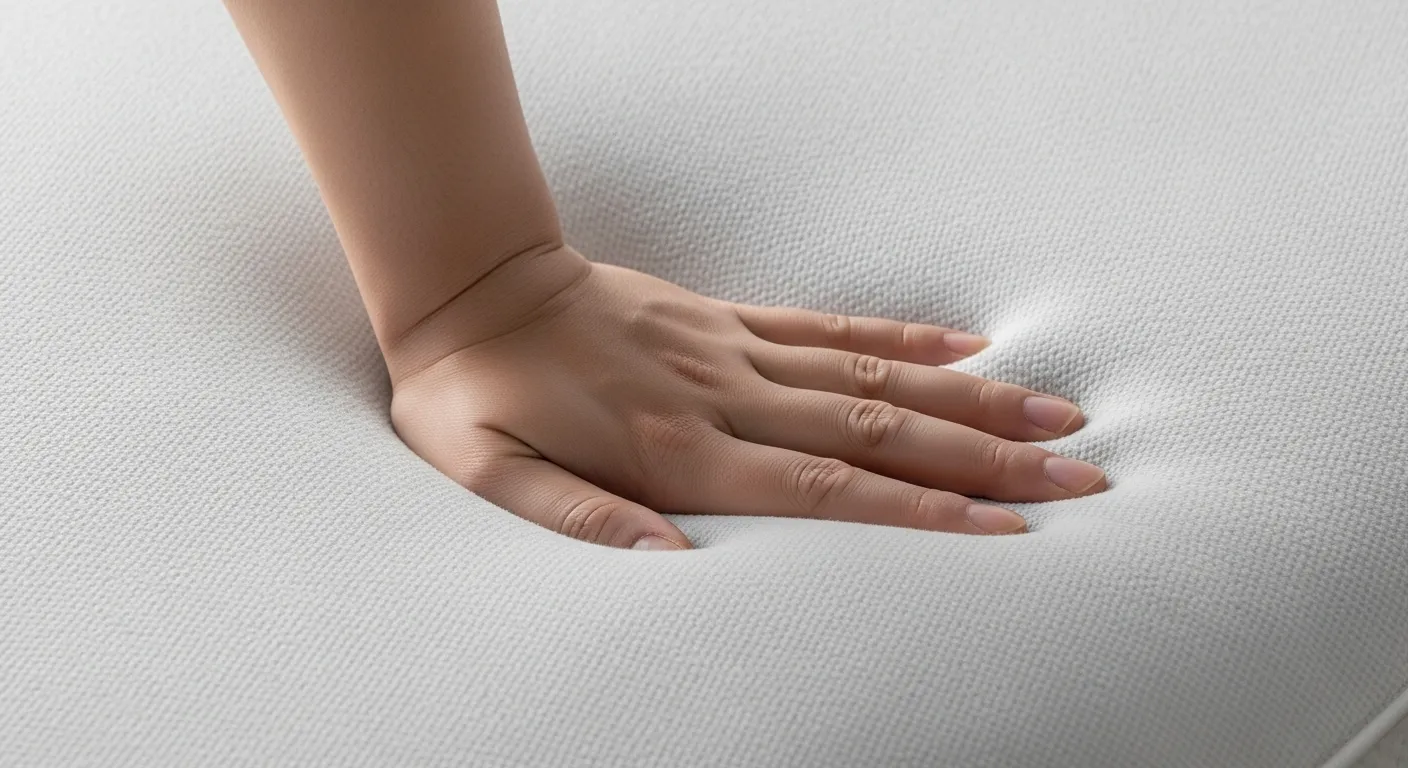
Buying a mattress isn’t like ordering headphones or a phone charger. Comfort, pressure relief, and spinal alignment are deeply personal—and highly variable from one body to another. When you test mattresses in person, you eliminate guesswork and replace it with real experience.
1. Your Body Gives Better Feedback Than Any Review
Reviews can help narrow your options, but they’re no substitute for 10 minutes of lying on a bed and feeling how it responds to your weight and sleep style.
Different bodies interact with mattresses in different ways:
| Sleep Factor | Online Shopping | In-Store Testing |
|---|---|---|
| Firmness Accuracy | Based on someone else’s opinion | Based on how you feel |
| Pressure Relief | Impossible to judge | Easy to evaluate in minutes |
| Alignment | Can’t be measured online | Staff can check your posture |
| Temperature Feel | Described vaguely | Felt instantly |
When you’re in a store, your shoulders, hips, and lower back tell you the truth immediately—no guessing, no waiting for a return label.
2. You Can Compare Multiple Comfort Levels Side-by-Side
Online, two mattresses might look identical: same materials, same price range, similar reviews. But when you try them in person, subtle differences become obvious. That’s because:
- Foam densities vary.
- Coil systems perform differently under pressure.
- Edge support changes how secure you feel.
- Motion transfer affects how well you sleep with a partner.
Testing side-by-side pulls those differences into focus. Within minutes, you’ll know which direction your comfort preferences lean.
3. You Avoid the “One-Size-Fits-All” Problem
Many online mattress brands sell a single firmness level designed to “fit most sleepers.” But “most” doesn’t mean you. Sleep needs vary based on:
- Height and weight
- Shoulder and hip width
- Sleep position
- Back or neck pain
- Sensitivity to pressure
Even slight differences in body composition change how a mattress performs. In-store shopping gives you access to a wide range of options—ultra-plush, plush, medium, firm, hybrid, latex, and more—without having to blindly pick and hope for the best.
What You Learn In-Store That You Can’t Learn Online
Great mattress shopping requires information you simply can’t gather through a product page. Here’s what in-store testing reveals that online descriptions leave out.
1. True Firmness, Not Scaled Firmness
Firmness scales online (like “6/10 medium”) are helpful, but not consistent across brands. A 6 from one company can feel like an 8 from another.
In-store, you feel the real thing. No reinterpretation. No firmness surprises arriving on your porch.
2. How a Mattress Supports Your Spine
Good spinal alignment reduces morning stiffness, improves circulation, and supports long-term joint health. But alignment isn’t visible through a website photo.
When you’re in the store, associates can evaluate:
- If your hips sink too far
- Whether your shoulders are aligned
- Whether your spine stays neutral
- If the mattress is correcting or worsening your posture
That’s expertise you don’t get in the checkout cart.
3. The Real Temperature of the Mattress
Cooling technology varies widely:
- Some foams trap heat.
- Some gels stay cool initially but warm up.
- Some hybrids allow airflow that makes a big difference.
Touching and lying on a mattress tells you instantly how breathable it feels. Photos can’t do that.
Convenience Shouldn’t Replace Certainty
Online shopping argues convenience. And sure—home delivery is easy. But returns are not always as simple as advertised. Trial periods often require:
- Local donation drop-offs
- Waiting for pickup scheduling
- Repurchasing another mattress before the refund processes
In-store shopping gives you convenience and certainty. When you pick the right fit from day one, you avoid return cycles entirely.
The Psychology: Buying a Mattress Should Feel Confident, Not Risky
A mattress is a long-term purchase. You’ll spend nearly one-third of your life on it. When you try mattresses in person:
- You trust your decision more.
- You avoid analysis paralysis.
- You feel comfortable before committing.
- You remove the anxiety of a “what if it doesn’t work?” moment.
Some purchases feel good instantly. A mattress should be one of them.
Mattress Shopping Tips to Maximize Your In-Store Visit
To get the most from an in-person trip, use a simple, effective strategy.
Come Prepared
- Bring your usual pillow if possible—it helps replicate your sleep posture.
- Wear comfortable clothing that lets you relax when lying down.
Test Like You Sleep
Spend at least 5–10 minutes in your primary sleep position on each mattress you’re considering.
Narrow, Then Compare
Start broad (plush, medium, firm), then compare the best few side-by-side.
Ask Questions
Sales associates can help you understand materials, warranties, and differences between models.
These steps help you walk out with a mattress that supports you night after night.
The Real Benefits of Buying a Mattress In-Store
Shopping for a mattress online can feel quick and effortless, but the benefits of visiting a showroom run deeper than most shoppers realize. When you walk into a store, you gain access to expertise, immediate feedback, and a controlled environment that helps you make a decision based on real comfort—not marketing promises. This section breaks down the advantages that have the biggest impact on long-term sleep quality and overall value.
Expert Support That Actually Improves Your Sleep Choice
The biggest advantage of buying a mattress in-store isn’t just the ability to stretch out on display models—it’s the guidance from people who understand how sleep works. Most consumers know the basics: “side sleepers need more cushion” or “firm mattresses help back pain.” But sleep ergonomics is more detailed than that, and trained associates can help you uncover what you actually need.
Sleep Specialists Translate Comfort Into Alignment
Your body gives feedback, but sometimes it’s subtle. A sleep expert can spot what you might miss, such as:
- Shoulders dipping too far into the mattress
- A slight tilt in your lower back
- Pressure points that don’t feel uncomfortable yet but will after eight hours
- A mattress that feels fine at first but lacks long-term support
These adjustments matter. Even small posture misalignments can affect circulation, joint pressure, muscle recovery, and overall sleep cycles.
Helpful Insight You Don’t Get Online
Online brands often use generic recommendations like “great for all sleepers.” In-store experts are more specific. They can help you compare:
| Factor | What Online Stores Provide | What In-Store Experts Offer |
|---|---|---|
| Firmness Guidance | A written firmness rating | Personalized firmness testing with real-time feedback |
| Posture Advice | None | Alignment checks in your sleep position |
| Material Clarity | Descriptions and marketing terms | Explanations of how foams, coils, and hybrids behave |
| Comparison Help | Product pages | Side-by-side testing recommendations |
This level of detail helps you avoid the trap of picking a mattress based on trend instead of need.
You Can See and Feel the Materials Before You Buy
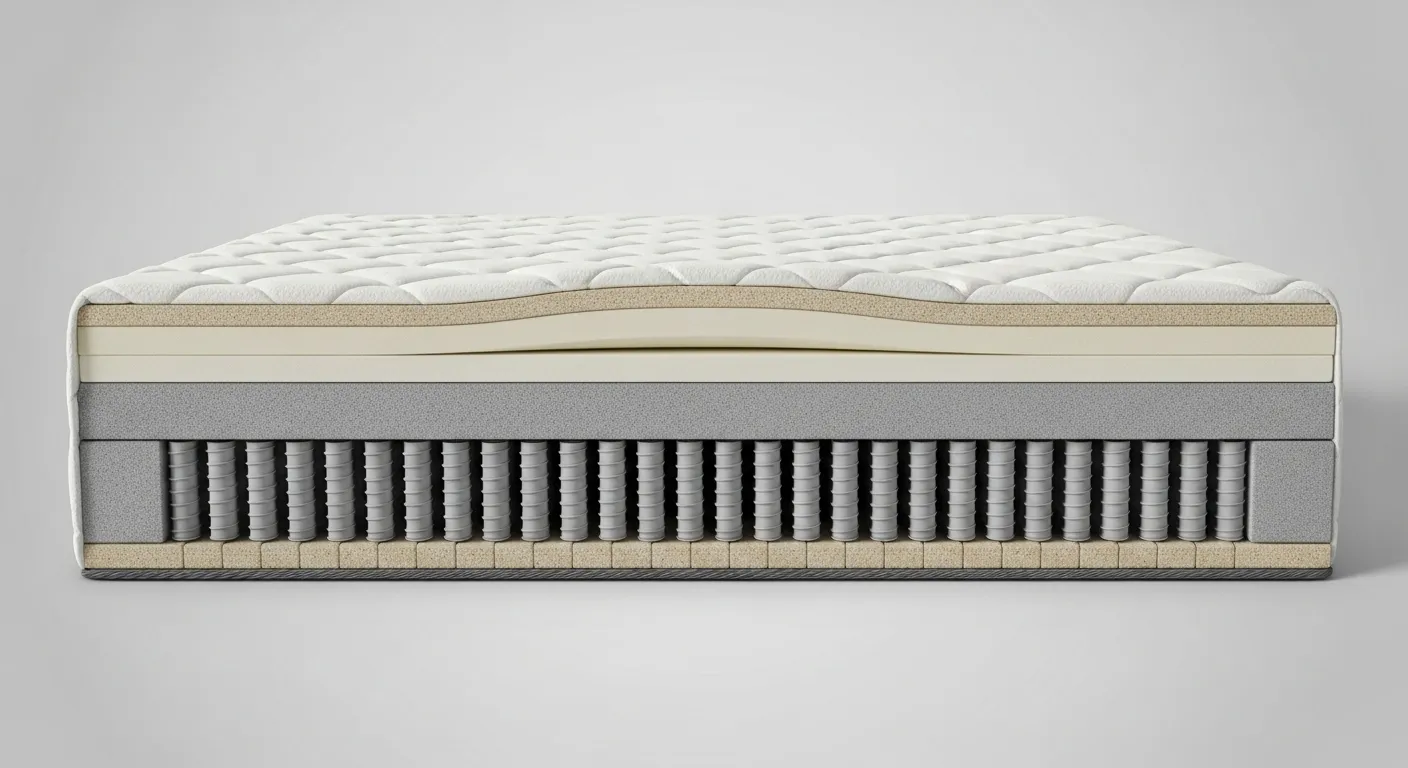
How a mattress is built plays a huge role in comfort and durability. But it’s almost impossible to judge material quality online. Foam density, coil strength, breathable covers, and even stitching affect how long a mattress lasts—and how well you sleep.
What Material Testing Looks Like In-Store
When testing mattresses in a showroom, you can:
- Feel the responsiveness of coils
- Compare how different foams contour
- Press on edges to evaluate reinforcement
- Test the motion isolation with a partner
- Check whether the cover feels breathable
These details show you what you’re actually paying for.
Why This Matters Long-Term
Better materials don’t just improve comfort; they help your mattress maintain its performance. A mattress that feels supportive on day one but breaks down quickly can interrupt sleep and lead to more frequent replacements.
Seeing and touching materials helps you choose something built to last.
Better Returns, Warranties, and After-Sale Support
Online mattress brands often highlight long trial periods as a selling point. But those policies aren’t always smooth. Some shoppers discover limitations only after they try to return their purchase.
Shopping in-store gives you clarity and control.
Clear Warranty Explanations
In-store teams explain warranty details in plain language, covering:
- What counts as a defect
- How impressions are measured
- What voids a warranty
- What’s covered versus what’s not
With online brands, these details are often buried in legal copy.
Hassle-Free Returns and Exchanges
Brick-and-mortar stores tend to offer:
- Faster exchanges
- More flexible options
- Local pickup if needed
- Human support instead of email chains
If you ever need assistance, you don’t go through automated ticket systems—you talk to a real person who knows the product.
You Experience the Real Comfort Curve
A mattress doesn’t feel the same on day one as it does after a month. Foams relax. Materials warm up. Your body adjusts.
In-store testing gives you a preview of that comfort curve.
Testing Comfort Over Time
Associates often encourage shoppers to try mattresses long enough to get a genuine sense of support. Most people need a few minutes to relax their muscles and sink into the foam. This helps reveal:
- Whether plush models eventually feel too soft
- Whether firm options soften in the right places
- How hybrids balance support and contouring over time
Online pictures don’t come close to offering this insight.
You Can Shop for Your Body Type, Not a Broad Category
Many online mattress companies rely on broad categories like “medium-firm for most sleepers.” But these categories ignore the factors that actually determine comfort.
Body-Specific Shopping Makes a Difference
In-store, experts can help you find the right fit for your:
- Shoulder width
- Hip pressure tolerance
- Weight distribution
- Height
- Preferred sleep position
A medium mattress may feel plush to a lighter sleeper and firm to someone heavier. That’s why categories don’t tell the full story. Personalized testing does.
A Quick Example
Two people can sleep on the same mattress and have opposite experiences:
| Sleeper Type | Experience on Medium-Firm Mattress |
|---|---|
| Side Sleeper, Lightweight | Feels too firm, creates shoulder pressure |
| Back Sleeper, Average Build | Feels balanced and supportive |
| Stomach Sleeper, Heavier Build | May allow too much sink, causing lower-back strain |
Personalized shopping accounts for differences like these.
The Immediate Confidence of Knowing It’s Right
When you find the right mattress in-store, you know it. It’s a physical reaction: your body relaxes, the pressure melts away, and you feel supported without effort. That’s not something you guess—it’s something you feel.
This confidence makes the buying experience smoother and the long-term satisfaction higher. You aren’t buying hope. You’re buying a mattress you already trust.
Bringing It All Together: Why In-Store Mattress Shopping Delivers Better Sleep
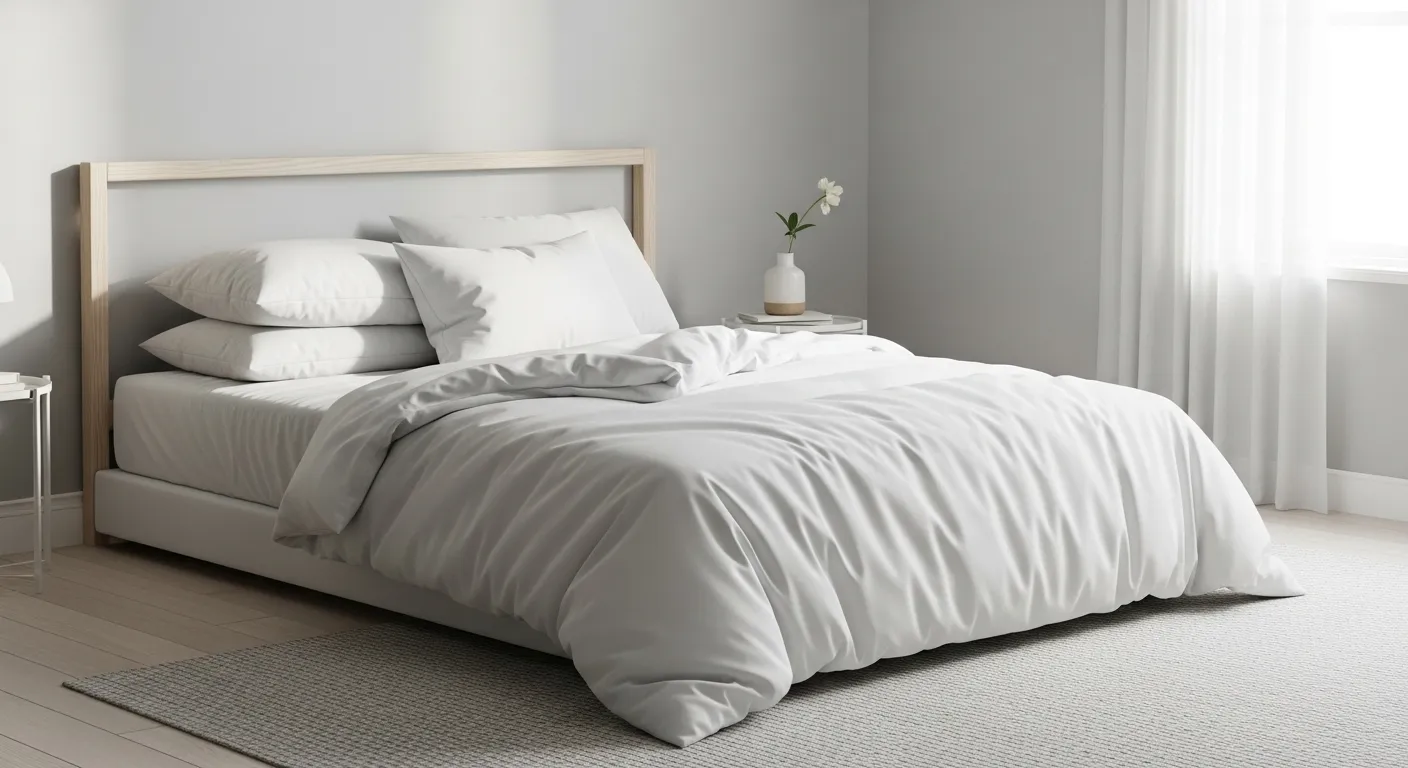
By now, it’s clear that choosing to buy a mattress in-store isn’t about resisting modern convenience. It’s about putting your comfort, your health, and your long-term satisfaction first. Mattresses affect every part of your daily life—how rested you feel, how your body recovers, how your joints behave, how energetic or foggy you are in the morning. Getting the right one matters. And the most reliable way to find it is to test mattresses in person, with guidance that helps you interpret what your body is telling you.
This final section ties together everything you’ve learned while adding a few deeper insights on how to make the most informed decision possible.
What Online Shopping Gets Wrong About Mattresses
Online retailers excel at marketing. Slick product pages and glowing reviews make it easy to believe that mattresses fall neatly into categories like “medium-firm,” “side-sleeper friendly,” or “cooling performance.” These cues are helpful, but insufficient.
Comfort isn’t universal. Two mattresses with the same specs can feel dramatically different. A mattress that performs well for one sleeper may cause stiffness for another. And cooling features described online may feel cool for minutes—not hours.
The biggest blind spot in online shopping is the assumption that a mattress can be judged by description alone. Mattresses aren’t read. They’re experienced.
Even generous trial periods can’t change this: they shift the risk after you buy. In-store testing removes the risk before you spend a dollar.
In-Store Mattress Benefits Extend Beyond Comfort
Comfort is central, but it’s not the only reason in-store shopping wins. Showrooms offer clarity that saves time, reduces mistakes, and helps you focus on what will actually improve your sleep.
You Understand Materials, Not Marketing Terms
Foam “blends,” cooling “infusions,” and coil “zones” are common terms online, but they don’t tell you much about performance. When you press into a model in person, you learn instantly:
- How fast foam responds
- Whether the surface feels airy or warm
- How deep your shoulders and hips sink
- Whether the coils feel supportive or bouncy
This tactile testing helps you separate meaningful features from flashy ones.
You See the Build Quality Up Close
Stitching, edge reinforcement, cover texture, and panel thickness all contribute to durability. These details rarely show up accurately in photos, but they matter for longevity. When you evaluate them in-store, you know exactly what you’re paying for.
You Get Real-Time Personalization
A showroom lets you make micro-adjustments: moving from one comfort level to another, changing surface types, comparing plushness, or switching between foam and hybrid designs. Each change gives you new information.
Small adjustments matter because sleep is personal. And real personalization comes from experience—not guesswork.
Mattress Shopping Tips That Give You a Clear Path Forward
The best in-store experiences are intentional. The following techniques help you turn a standard showroom visit into a confident, informed buying decision.
1. Start With a Clear Baseline
Before you begin testing mattresses, take a moment to think about your sleep habits:
- Do you wake up with tight shoulders or hips?
- Does your lower back feel sore in the morning?
- Do you run warm at night?
- Do you toss and turn or stay still?
Knowing these patterns guides the conversation with the associate and narrows your options faster.
2. Test Three Broad Comfort Zones
A simple method is to start with three primary feels:
- Plush
- Medium
- Firm
Spend a few minutes on each to understand how your body responds. This helps you eliminate whole categories before drilling down into specifics.
3. Lie Down the Way You Actually Sleep
Many shoppers sit on mattresses or lie down briefly in an unfamiliar position. Instead:
- Side sleepers should focus on shoulder and hip pressure.
- Back sleepers should check lower-back support.
- Stomach sleepers should confirm that their hips don’t sink too deeply.
Testing real sleep positions produces real results.
4. Evaluate the Edges and the Middle
A strong mattress supports you evenly across the surface. Testing multiple areas shows you how well the structure holds.
5. Compare Only Your Top Two or Three
Once you’ve narrowed your options, compare the finalists back-to-back. Subtle differences become clear when you switch quickly between similar models.
Long-Term Comfort Starts With Day-One Confidence
One of the biggest advantages of buying a mattress in-store is the immediate certainty of knowing you made the right choice. You feel the support. You feel the pressure relief. Your body relaxes without trying. That sense of “this is the one” is worth more than a thousand product reviews or a list of specs.
Confidence on day one leads to comfort on day 500. And that comfort leads to better mornings, healthier posture, deeper sleep cycles, and more energy throughout your day.
Mattresses aren’t a purchase you want to redo. Choosing correctly the first time is far easier when you can rely on your own senses.
Recap: Why In-Store Mattress Shopping Still Outperforms Online
To wrap up, here’s a concise look at the biggest reasons in-person testing leads to better sleep:
| Key Area | Why In-Store Wins |
|---|---|
| Comfort Accuracy | Your body—not a product description—decides what feels right. |
| Alignment Support | Experts help you understand how a mattress affects your posture. |
| Material Quality | You see and feel build quality, not marketing language. |
| Side-By-Side Testing | Subtle differences become obvious in minutes. |
| Return Clarity | Local support makes exchanges easier and faster. |
| Long-Term Value | Better fit means fewer replacements, fewer returns, and better sleep. |
These advantages aren’t small. They’re the foundation of choosing a mattress that genuinely improves your life.
Why In-Store Mattress Shopping Beats Online at Mattress Superstore
Online shopping has changed many industries for the better, but mattresses aren’t one of them. Comfort can’t be delivered through a product page. Alignment can’t be predicted by a firmness number. Durability can’t be judged from a photo.
When you walk into a showroom, you trade guesswork for confidence. You listen to your body. You compare real options. You learn what support actually feels like. And you invest in a mattress that supports you night after night.
If better sleep is the goal, in-store mattress shopping remains the most dependable way to find your perfect match.
Why Does Holiday Stress Disrupt Your Sleep and How Can You Manage It?
Holiday stress produces cognitive and physiological responses that interfere with sleep by increasing cortisol and sympathetic nervous system arousal, which delays sleep onset and fragments restorative stages. When planning or social obligations push bedtime later, circadian cues shift and melatonin timing can be suppressed by late light exposure and stimulants, worsening insomnia symptoms. Managing these effects means reducing physiological arousal through short, evidence-informed behaviors and environmental fixes that lower sensory input and promote parasympathetic activation. The strategies that follow blend behavioral planning with targeted bedroom adjustments so you can reduce bedtime activation without giving up seasonal activities. These approaches directly prepare the ground for selecting mattresses and upgrades that address stress-linked sleep problems.
What Are the Main Causes of Holiday Stress Affecting Sleep?
Holiday stressors commonly include financial pressure, social obligations and travel-related schedule disruption, each of which creates predictable sleep challenges. Financial worries activate rumination that raises evening cortisol levels and delays sleep onset, while hosting or late-night social events shift routines and reduce total sleep opportunity. Travel and jet lag change light exposure and sleep timing, fragmenting sleep architecture and reducing deep sleep. Recognizing which of these stressors dominates your holidays helps prioritize countermeasures like budgeting routines, guest-prep checklists, and strategic light exposure to stabilize bedtime.
Stress and Sleep Regulation: Impact on Autonomic and HPA Systems The impact a myriad of stress-linked physiological systems, such as sleep regulation, the autonomic nervous system, and the hypothalamic-pituitary-adrenal (HPA) axis. Stress can disrupt sleep through multiple pathways, including increased arousal, rumination, and changes in sleep architecture. This can lead to difficulty falling asleep, staying asleep, and experiencing non-restorative sleep.
The impact of stress on sleep: pathogenic sleep reactivity as a vulnerability to insomnia and circadian disorders, DA Kalmbach, 2018
How Does Stress Physiology Impact Your Sleep Quality During the Holidays?
Stress physiology links perceived threats and busy schedules to measurable sleep effects: cortisol elevation impairs the transition into sleep, sympathetic nervous system activation increases arousals, and late-night screens suppress melatonin production. This biological cascade shortens slow-wave and REM sleep, producing daytime fatigue and mood shifts that further undermine sleep quality. Recent research indicates that simple relaxation routines and light management can blunt these responses and improve sleep continuity. Reducing evening arousal with behavioral and environmental interventions lowers the physiological barrier to deep sleep and sets up the mattress and bedroom to support recovery.
Stress, HPA Axis, and Sleep Disorder Mechanisms Activation of the HPA and/or the sympathetic nervous systems results in wakefulness and these hormones including corticotropin-releasing hormone (CRH), adrenocorticotropic hormone (ACTH), cortisol or corticosterone, noradrenaline, and adrenaline, are associated with attention and arousal. Stress-related insomnia leads to a vicious circle by activating the HPA system. An awareness of the close interaction between sleep and stress systems is emerging and the hypothalamu
Stress and sleep disorder, I Shim, 2012
What Are the Best Mattresses for Stress Relief and Improved Holiday Sleep?
Choosing a mattress that reduces pressure points and temperature-related awakenings helps the nervous system downshift more effectively at night, producing longer uninterrupted sleep periods. Key mattress categories—memory foam, latex, and hybrid—each address different mechanisms: pressure relief, cooling/response, and balanced support respectively, so pick by primary sleep complaint rather than brand alone. Look for mattresses with cooling layers, pressure-relieving comfort foam, and good motion isolation to prevent partner disturbances; pairing these features with a supportive base reduces physical pain-related arousals. Below is a concise comparison of mattress types and attributes to guide quick holiday purchases before seasonal disruptions.
| Mattress Type | Primary Attribute | Best For |
|---|---|---|
| Memory foam | Pressure relief & motion isolation | Side sleepers, partner disturbance |
| Latex | Responsiveness & cooler sleep | Hot sleepers, durability seekers |
| Hybrid | Zoned support & airflow | Combination sleepers, back support |
This table highlights how matching mattress type to sleep position and thermal needs reduces stress-related awakenings and supports recovery; next are quick, practical buying signals to prioritize.
Which Mattress Types Offer the Best Pressure Relief and Comfort?
Memory foam provides deep pressure relief by conforming to body contours, which reduces nociceptive stimuli that can trigger night awakenings and sympathetic spikes. Latex responds more quickly and tends to run cooler, lowering heat-induced arousals while still offering cushioning for pressure points. Hybrid designs combine coil support with comfort layers to balance spinal alignment and breathability, making them a solid choice for combination sleepers who switch positions. Considering your primary complaint—pressure pain, overheating, or motion disturbance—will point you to the most suitable mattress family.
What Mattress Features Should You Look for to Reduce Holiday Sleep Disruption?
Seek cooling materials (gel-infused foam, breathable covers) to avoid overheating that fragments sleep, and choose pressure-relieving comfort layers to reduce pain-related arousals. Motion isolation is essential if partner movement wakes you, and zoned support or appropriate firmness helps maintain spinal alignment for uninterrupted rest. Buying signals include generous trial periods and warranties and clear holiday-season return policies to reduce decision anxiety and allow risk-free testing during a busy period. Prioritizing these features helps you select a mattress that directly mitigates stress-related sleep disturbances.
How Can Bedroom Upgrades Create a Relaxing Sleep Environment for the Holidays?
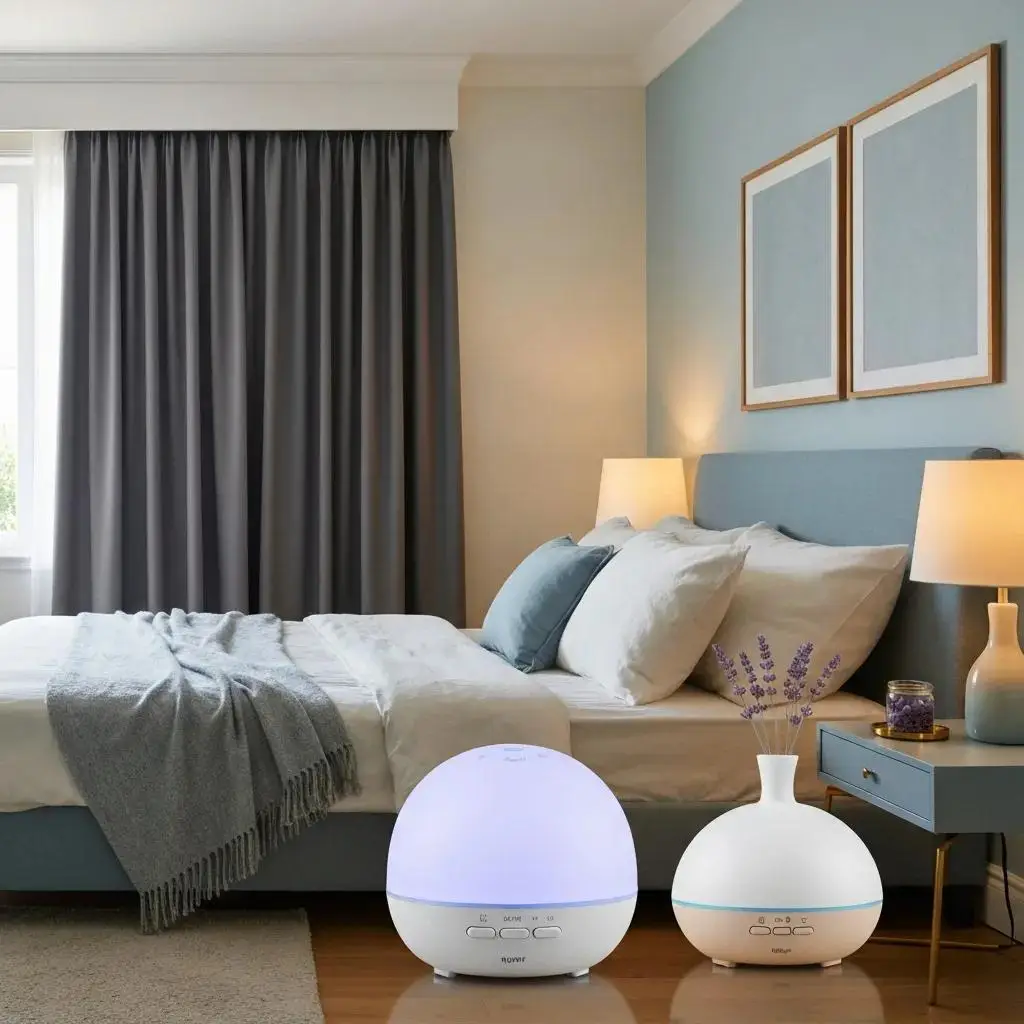
Small, targeted bedroom upgrades reduce environmental triggers that amplify stress physiology and make it easier to fall and stay asleep during holiday upheaval. Light control, sound masking, calming scent cues and tactile comfort all lower arousal and cue the brain that sleep is safe and permitted. Investing strategically in a few high-impact items produces outsized benefits: darker rooms deepen melatonin release, steady background sound cuts abrupt awakenings, and comfortable moisture-wicking bedding eases temperature regulation. The short table below compares common upgrades by impact and ease of implementation to help you prioritize purchases before holiday hosting or travel.
| Upgrade | Impact on Sleep | Ease of Installation |
|---|---|---|
| Blackout curtains | Increases melatonin by blocking light | Easy (hang rods) |
| Sound machine | Masks disruptive noises and provides steady-state masking | Very easy (plug-in) |
| Essential oil diffuser | Provides calming olfactory cue (use lavender) | Easy (fill & run) |
The table clarifies trade-offs so you can pick quick wins that reduce environmental arousal; the following list outlines specific accessories and pairing suggestions.
What Bedroom Accessories Help Reduce Stress and Promote Relaxation?
Key accessories—blackout curtains, sound machines, diffusers and breathable bedding—each send sensory signals that calm the nervous system before bed. Blackout curtains or a sleep mask lower evening light exposure to protect melatonin, while a compact sound machine provides consistent masking of street or house noises that would otherwise trigger micro-awakenings. An essential oil diffuser with calming blends and soft, moisture-wicking sheets create tactile and olfactory cues associated with rest. Pairing one sensory control (darkness) with one comfort upgrade (bedding or pillow) gives a rapid, low-effort improvement in sleep quality.
How Does Smart Sleep Technology Enhance Your Holiday Sleep Quality?
Smart lighting and basic sleep-tracking wearables help stabilize circadian timing by delivering morning bright-light cues and evening dimming schedules that anchor sleep across irregular holiday days. Programmed wake-up lights and smart bulbs that reduce blue spectrum in the evening protect melatonin production and ease morning wakefulness when travel or late events push schedules. Simple wearable sleep trackers and companion apps provide feedback that reduces sleep anxiety by turning subjective worry into actionable metrics. Used sparingly, these technologies support behavior change without creating new sources of nighttime arousal.
Sleep Deprivation, Circadian Disruption, and Allostatic Load “Getting a good night’s sleep” seems a panacea for improving mood and cognition. These subjective impressions are supported by countless studies exploring impacts of sleep (and sleep loss) on mental health, metabolism, and immune function. Similarly, being “out of phase” with local time, commonly experienced by shift workers of jetlagged air travelers, demonstrates that there are both neural and physiologic effects of internal circadian (daily) time being misaligned with external environmental time. This chapter reviews these areas contextualized using the model of allostasis and allostatic load that emphasizes the impact of this “wear and tear” on the brain and body. Sleep deprivation and circadian disruption: stress, allostasis, and allostatic load, IN Karatsoreos, 2015
What Simple Holiday Sleep Hygiene Tips Can Help You Sleep Better Despite Stress?
Effective holiday sleep hygiene blends consistent timing, diet adjustments and a digital wind-down to protect sleep biology from situational stressors. Keep wake and sleep times within a 60-minute window to preserve circadian entrainment, avoid heavy meals and alcohol close to bedtime to prevent fragmented REM and slow-wave sleep, and enact a 60–90 minute pre-sleep routine that excludes screens to maintain melatonin release. Small purchases can accelerate these habits—consider a cooling pillow, a thin mattress topper for pressure relief, or a blackout sleep mask to fast-track environment control. These combined changes reduce physiological arousal and let your mattress and bedroom upgrades do their restorative work.
| Actionable Item | Purpose | Quick Result |
|---|---|---|
| Sleep mask | Blocks residual light | Immediate low-cost darkness |
| Mattress topper | Adds pressure relief | Faster comfort and fewer awakenings |
| Cooling pillow | Lowers head/neck heat | Reduced wakefulness from overheating |
The item-action table helps prioritize affordable aids that complement behavioral changes; next are concrete scheduling and dietary tactics to implement now.
How Can You Establish a Consistent Sleep Schedule During the Holidays?
Anchor sleep around a prioritized “core” sleep window by designating consistent wake time and bedtime boundaries even when social events vary, using morning light exposure to reset circadian phase. Time-blocking helps: commit to a latest allowable bedtime and plan activities earlier in the evening when possible to protect sleep opportunity. Short, strategic naps (20–30 minutes) can restore alertness without undermining nighttime sleep if timed before mid-afternoon. These tactics reduce cumulative sleep debt and blunt stress-driven arousal that otherwise amplifies insomnia.
What Dietary and Digital Detox Practices Improve Holiday Sleep?
Avoid alcohol and heavy, fatty meals within two to three hours of bedtime because they fragment slow-wave and REM sleep and raise nighttime sympathetic tone. Limit caffeine intake to earlier in the day and replace late-night screen time with low-arousal rituals—reading, light stretching or a warm shower—to support melatonin onset. Use blue-light mitigation by dimming screens or using warm-spectrum lighting in the evening to preserve melatonin production. These dietary and digital controls lower physiological activation, improving the effectiveness of mattress and bedroom interventions that follow.
Conclusion
Improving your sleep during the holiday season is achievable through strategic mattress choices and thoughtful bedroom upgrades that address stress-related disruptions. By understanding the physiological impacts of holiday stress and implementing effective sleep hygiene practices, you can enhance your overall rest and well-being. Explore our curated selection of mattresses and sleep accessories designed to create a calming sleep environment. Take the first step towards better sleep today and transform your holiday experience.