
Choosing the right mattress can significantly enhance your sleep quality and overall health. With various mattress types on the market, from latex to innerspring and memory foam to hybrid models, understanding the differences helps you make an informed decision. This guide explores each mattress type’s unique features, advantages, and disadvantages to assist in selecting the best mattress for your needs. Many people struggle to find a mattress that caters to their comfort preferences, support requirements, or specific health conditions. Knowing the pros and cons of each mattress type can alleviate this concern. The following sections will delve into the characteristics of latex, innerspring, memory foam, and hybrid mattresses, and how these features cater to different sleep needs.
Comparison of Mattress Types: Latex, Innerspring, Memory Foam, and Hybrid
When comparing mattress types, it’s essential to evaluate their core features along with the benefits and drawbacks they offer to consumers. Below is a structured overview of the primary mattress types, which aims to facilitate better understanding and decision-making.
| Mattress Type | Core Features | Advantages | Disadvantages |
|---|---|---|---|
| Latex Mattress | Made from rubber latex, highly elastic | Durable, eco-friendly, good for responsive support | Heavier, more expensive, may have chemical odors |
| Innerspring Mattress | Has a coil support system | Good support and bounce, breathability | Motion transfer can disrupt partners |
| Memory Foam Mattress | Viscoelastic foam that shapes to body | Excellent pressure relief, conforms to body shape | Can retain heat, may have odor initially |
| Hybrid Mattress | Combines materials (foam + coils) | Offers benefits of both foam and innerspring | Higher cost, can vary significantly by brand |
This table provides a clear comparison of mattress types, presenting an overview of their core features, advantages, and disadvantages, which can help in making a more informed choice.
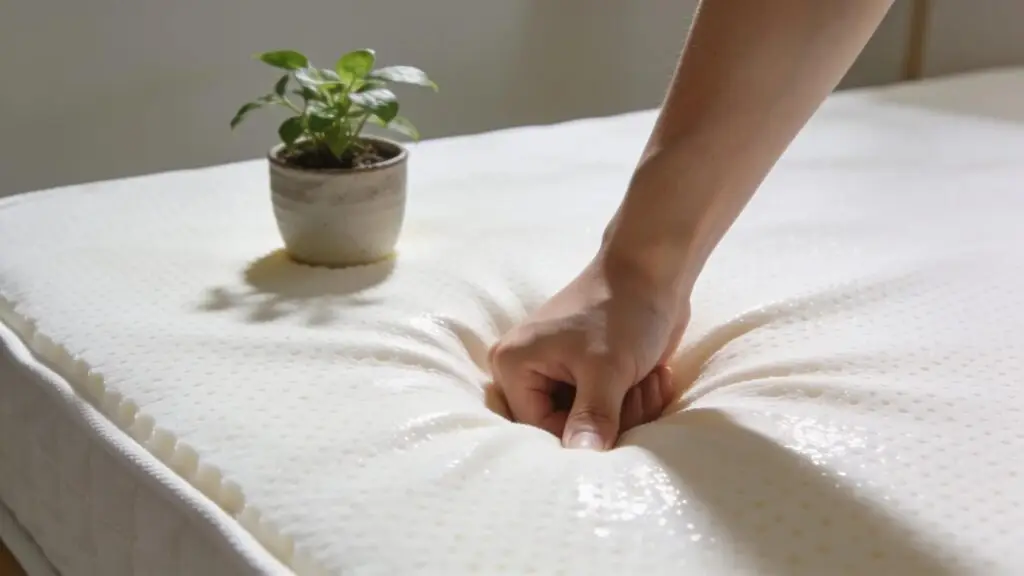
Latex Mattresses
Latex mattresses are crafted from natural or synthetic rubber, providing excellent elasticity and durability. One of the key characteristics of latex is its responsiveness, allowing it to adapt to your body’s shape while maintaining support. This makes latex a great option for individuals who prefer a more buoyant sleeping surface. Moreover, latex mattresses are known for their breathability, which helps regulate temperature and keep the sleeper cool throughout the night. However, they can be heavier and more expensive than other options. Moreover, while some people appreciate the natural materials, others may encounter issues with initial odors or allergen sensitivity.
Innerspring Mattresses
Innerspring mattresses utilize a core support system of steel coils, providing a classic feel that has been popular for decades. These mattresses are known for their responsiveness and bounce, making them ideal for combination sleepers who move frequently during the night. This type of mattress also allows for good airflow, resulting in a cooler sleeping environment. However, one downside is that the motion transfer can be significant, which may disrupt sleep for couples. Additionally, innerspring mattresses may provide less conforming support compared to foam alternatives, possibly leading to discomfort for those with specific pressure points.
Memory Foam Mattresses
Memory foam mattresses are designed to contour to the body’s shape, offering personalized support that relieves pressure on key areas like the shoulders and hips. This unique material works by absorbing body heat, enabling it to mold precisely to the sleeper’s body. Memory foam is highly regarded for its ability to alleviate pain and enhance sleep quality, making it a favored choice among those with back pain or joint issues. However, a common complaint is that these mattresses can retain heat, causing discomfort during sleep. Additionally, some users report a distinct odor when unboxing a new memory foam mattress, although this usually dissipates within a short period.
Hybrid Mattresses
Hybrid mattresses combine the best features of both innerspring and memory foam mattresses. Typically, they feature a coil base layer for support, topped with foam layers for comfort. This design allows hybrids to offer both responsive support and pressure relief, catering well to different sleep preferences. The versatility of hybrid mattresses makes them suitable for various sleeping positions, whether you sleep on your back, side, or stomach. On the downside, the price point for hybrid mattresses can be higher than for traditional models, and the quality may vary widely depending on the brand.
Summary
In summary, choosing the right mattress involves evaluating several factors, including comfort, support, and personal preferences. Each mattress type—latex, innerspring, memory foam, and hybrid—offers unique benefits and drawbacks that speak to various sleeping needs. Recognizing these differences is crucial for ensuring a restful night’s sleep. If you are considering a purchase, Mattress Superstore provides a wide selection of quality mattresses across all types. Exploring our offerings can guide you toward selecting the best mattress tailored to your specific sleep needs.
How Does a Latex Mattress Balance Comfort, Durability, and Eco-Friendliness?
Latex mattresses excel in balancing comfort, durability, and eco-friendliness. Made primarily from natural rubber, these mattresses are incredibly resilient, often lasting more than a decade with proper care. The comfort level is achieved through the elasticity of latex, which promotes spinal alignment and pressure relief during sleep. Moreover, natural latex is an environmentally friendly option, as it is renewable and biodegradable, appealing to eco-conscious consumers. Many people appreciate the sustainable aspects of this mattress type, making it a favored choice for conscious shoppers.
What Support and Breathability Do Innerspring Mattresses Provide?
Innerspring mattresses are designed to offer strong support due to their steel coil structure. This design promotes proper spinal alignment, which is vital for a good night’s rest. Additionally, the open coil structure allows for substantial airflow, which helps in temperature regulation. This aspect makes innerspring mattresses particularly comfortable for hot sleepers who may find foam mattresses too warm. While they provide robust support, it is essential to consider individual preferences and any potential motion transfer issues that could disrupt sleep.
How Do Memory Foam and Hybrid Mattresses Enhance Sleep Quality?
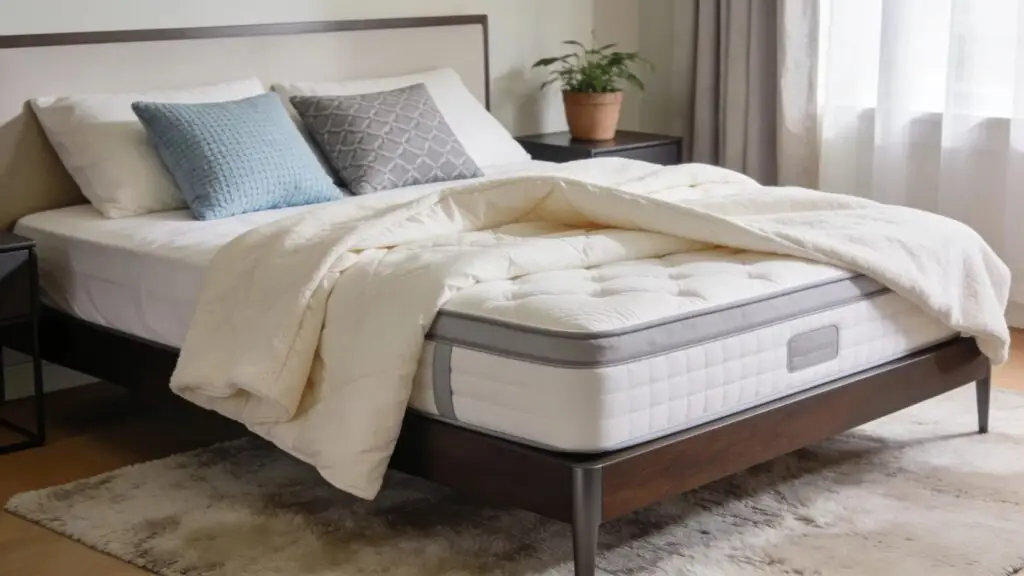
Memory foam and hybrid mattresses enhance sleep quality by tailoring their support to the sleeper’s body. Memory foam achieves this through its unique viscoelastic properties, which allow it to contour and cradle the body. This design results in excellent pressure relief and minimizes tossing and turning during the night. Conversely, hybrid mattresses provide balanced support from innerspring coils while incorporating the comfort of foam layers. This combination allows for various sleeping positions, making hybrids versatile for a range of preferences. Ultimately, both mattress types can significantly improve sleep quality, especially for individuals with specific comfort needs.
What Pressure-Relief Benefits Define Memory Foam Mattresses?
Memory foam mattresses are particularly valued for their pressure-relief properties. The foam’s ability to conform to the body’s contours can reduce stress on sore joints and pressure points, leading to a more comfortable sleep experience. This quality is essential for individuals who suffer from chronic pain or those recovering from injuries. Additionally, the support provided by memory foam can promote better spinal alignment, further enhancing sleep quality. If you’re seeking long-term comfort, memory foam may be an ideal choice as it effectively adapts to your body while you sleep.
What Makes Hybrid Mattresses a Popular Choice for Support and Cooling?
Hybrid mattresses have gained popularity due to their balanced nature, offering both support and cooling features. By utilizing a coil support system combined with layers of foam, hybrids ensure that sleepers receive the necessary support alongside a comfortable sleep surface. One of their defining features is the ability to promote airflow, allowing heat to escape rather than be trapped as it might be in traditional foam mattresses. This makes hybrid mattresses especially appealing to individuals who enjoy the cushioning of foam but require better temperature regulation throughout the night.
Which Mattress Type Is Best for Different Sleep Positions and Needs?
Selecting the right mattress type depends heavily on an individual’s sleeping position and specific support needs. Generally, side sleepers might benefit from softer materials like memory foam or latex, which can alleviate pressure on hips and shoulders. Back sleepers often find support from firmer surfaces like innerspring or hybrid options, which help maintain spinal alignment. Stomach sleepers typically require firmer mattresses to prevent their midsection from sinking too deeply. Ultimately, understanding personal preferences and sleeping positions is key to choosing the right mattress.
What Are the Durability, Pricing, and Allergy Considerations Across Mattress Types?
Durability varies greatly among mattress types. Latex mattresses are known for their long life, often outlasting other materials, while memory foam and hybrids can vary based on quality and construction. Pricing also varies widely; latex tends to be on the more expensive side due to its natural materials, while budget-friendly innerspring options exist. Allergies can be a concern; latex, for instance, might trigger sensitivities in some individuals, whereas memory foam often attracts dust mites. Carefully considering these factors can lead to a more informed mattress selection.
Conclusion
Choosing the right mattress type significantly impacts your sleep quality and overall well-being. By understanding the unique benefits of latex, innerspring, memory foam, and hybrid mattresses, you can make an informed decision that caters to your specific sleep needs. Consider exploring our mattress selection to find the one that best supports your comfort and health. Your journey to better sleep begins today!
Frequently Asked Questions
1. What should I consider when determining the firmness level of a mattress?
Choosing the right firmness level for your mattress is crucial for comfort and support. Generally, your weight, sleeping position, and personal preference will dictate the ideal firmness. Lighter individuals often prefer softer mattresses for better contouring, whereas heavier sleepers might opt for firmer options to prevent sinking. Side sleepers typically benefit from softer models that relieve pressure on shoulders, while stomach sleepers may need firmer mattresses to maintain spinal alignment. It’s essential to test different firmness levels to find what feels best for you.
2. How do I maintain and care for my mattress?
Proper care and maintenance of your mattress can extend its lifespan and performance. Start by using a mattress protector to safeguard against spills, allergens, and dust mites. Rotate your mattress regularly—every three to six months—to even out wear. Keep it clean by vacuuming the surface and spot-cleaning stains with mild detergent. Furthermore, avoid jumping or standing on your mattress, which may damage the internal structure. Finally, always follow the manufacturer’s care guidelines for specific maintenance recommendations.
3. Are there specific mattress types recommended for back pain sufferers?
Individuals suffering from back pain should typically consider mattresses that offer good support while relieving pressure points. Memory foam mattresses are often praised for their ability to contour to the body’s shape, providing adequate spinal support. Latex mattresses also offer firm support with a touch of bounce, making them beneficial for back pain. Innerspring mattresses with a solid coil structure might work well for those who prefer more bounce and support. It’s important to choose a mattress that promotes proper spinal alignment for a better night’s sleep.
4. How do mattress warranties work?
Mattress warranties typically cover defects in material and workmanship rather than normal wear and tear. Most warranties last between 10 to 25 years, depending on the manufacturer and type of mattress. When buying a mattress, read the warranty terms carefully to understand what is covered and under what conditions. Keep your purchase receipt and follow care instructions, as failing to do so might void the warranty. If a defect arises within the warranty period, many manufacturers will provide repair or replacement options.
5. What are the environmental impacts of different mattress types?
The environmental impact of a mattress largely depends on its materials and production processes. Latex mattresses are made from natural rubber and are biodegradable, making them the most eco-friendly option. Memory foam and innerspring mattresses may use synthetic materials, which can have a larger carbon footprint. Additionally, some manufacturers utilize eco-friendly production methods that can reduce waste and energy use. For those seeking sustainable choices, look for certifications like GOTS (Global Organic Textile Standard) or CertiPUR-US to ensure environmentally responsible materials.
6. Can I try a mattress before purchasing it online?
Many online mattress retailers offer trial periods, allowing customers to test their mattresses at home for an extended time, usually between 60 to 120 nights. If customers are not satisfied, they can return the mattress during the trial period for a full refund. This policy aims to give you peace of mind, allowing you to determine if the mattress suits your needs before committing to the purchase. Be sure to read the company’s specific trial and return policies before buying.
7. What factors affect the price of a mattress?
Several factors influence the price of a mattress, including the type of materials used, construction quality, and brand reputation. Generally, natural materials like latex or high-quality memory foam can cost more than traditional innerspring mattresses. Additional features, such as advanced cooling technologies or customizable firmness options, also tend to increase the price. Seasonal sales and promotions can offer discounts, so it’s wise to consider timing when making a purchase. Ultimately, investing in a quality mattress can lead to better sleep and health long-term.